TL;DR: The EPF successfully concluded the sixth cohort, Study Group 2026 and is preparing for cohort seven (EPF7). Applications will be announced soon — keep an eye on the EF blog. In the meantime, get ready by enhancing your Ethereum protocol knowledge at EPF.wiki and sign up for the newsletter to get notified about announcements.
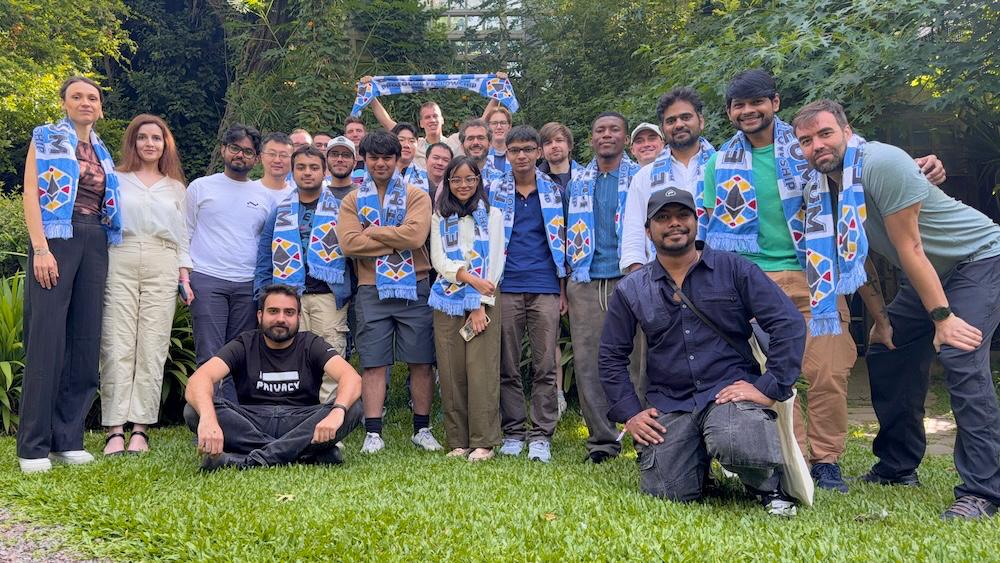
The Ethereum Protocol Fellowship completed its sixth cohort, culminating with EPF Day at Devconnect in Buenos Aires. Its completion marked 5 months of immersive learning, research, and contribution to the Ethereum core ecosystem from a group of talented and dedicated fellows. Client devs and researchers welcomed new contributors, some of which stayed working with them long-term.
To learn more about the EPF program, take a look at some of the past posts and cohort repositories.
EPF6 Projects
Altogether, fellows proposed and contributed to 28 projects, with mentors from various client and research teams, including EF, Grandine, Erigon, Lighthouse, Lodestar, Nimbus, Prysm, Ream, Reth, and Besu. These projects not only represent a valuable learning experience but meaningful contributions to the Ethereum core ecosystem. You can learn more about project outcomes in final reports and presentation recordings from EPF Day.
| Project | Description |
|---|---|
| zkVMs for Beacon Chain Snarkification | Research and implementation of zkVM approaches for snarkifying the Ethereum beacon chain state transition in Grandine |
| Erigon: RISC-V Executable Proof Sourcing | Implementing RISC-V proof sourcing in the Erigon execution client |
| Benchmarking zkVMs for Ream | Benchmarking zkVM performance on the Ream consensus client's state transition function |
| Ephemery Testnet Implementation on Besu | Native Ephemery testnet support (EIP-6916) in the Besu execution client |
| FOCIL for Erigon | Fork-choice enforced inclusion lists (EIP-7805) implementation in Erigon |
| zig-libp2p QUIC + Gossipsub | A Zig implementation of libp2p with QUIC transport and Gossipsub protocol |
| FOCIL for Grandine | Fork-choice enforced inclusion lists implementation in Grandine |
| Lodestar Sim Tests Migration to Kurtosis | Migration of Lodestar's simulation test framework from Docker to Kurtosis |
| SSZ Query Language with Merkle Proofs | SSZ query language with Merkle proof generation and verification, implemented in Prysm |
| Rust KZG: PeerDAS Production-Grade Optimization | Optimizing Grandine's Rust KZG library for PeerDAS production readiness |
| Lighthouse: PostgresDB Beacon Node Backend | Adding PostgreSQL as an optional database backend for the Lighthouse beacon node |
| FOCIL in Reth | Fork-choice enforced inclusion lists implementation in Reth |
| Parallel Execution in Erigon | Research and implementation of parallel transaction execution in Erigon |
| Lighthouse: Memory-Aware State Cache | Improving Lighthouse state cache heuristics with memory-aware eviction strategies |
| discV5 Handling in Besu | Implementing discV5 peer discovery handling in the Besu execution client |
| Ream Beacon API | Implementing Ethereum Beacon API endpoints for the Ream consensus client |
| ERA File Support for Lodestar | Adding ERA file format support for historical data access in Lodestar |
| Block-Level Access Lists in Reth | Implementing EIP-7928 block-level access lists in Reth |
| ePBS in Lighthouse | Enshrined proposer-builder separation (EIP-7732) implementation in Lighthouse |
| Ream Validator Client | Building a lean validator client for the Ream consensus client in Rust |
| Pureth (EIP-7919) in Reth | Implementing EIP-7919 (Pureth) pure execution in the Reth execution client |
| FOCIL for Nimbus CL | Fork-choice enforced inclusion lists implementation in the Nimbus consensus client |
| Pureth (EIP-7919) in Nimbus | Implementing EIP-7919 (Pureth) in the Nimbus consensus client |
| Pureth (EIP-7919) in Erigon | Implementing EIP-7919 (Pureth) in the Erigon execution client |
| Grandine: Tokio Tracing | Implementing Tokio tracing for debugging and performance analysis in Grandine |
| Lodestar: Backfill Sync & Historical Data Serving | Implementing backfill sync and historical block data serving in Lodestar |
| zkVM Optimization Research | zkVM optimization research and hybrid Ethereum state transition implementation |
| Differential Testing with LLMs | Using large language models for differential testing of Ethereum client implementations |
All of the program resources can be found in the EPF6 repository, with the majority of the activity in /development-updates and proposals in /projects. As an active part of Ethereum's open research, all EPF projects and resources are free and open-source.
Protocol Study Group 2026
The Protocol Study Group serves as both a precursor to the fellowship and a standalone curriculum for anyone wanting to deepen their understanding of Ethereum's core protocol. This year, we have introduced new learning platform at study.epf.wiki that provides more structured curriculum and excercises for self study. The Study Group has been active for 2 months, February - April, with over 300 people registered and diving into our courses. First few weeks were dedicated to courses on the platfrom with introduction to protocol, consensus and execution layer. Transition to more advanced topics, Study Group held new sessions with lectures on two topics - mathematics in Ethereum cryptography and zk/Lean, mapping the reseach about future of the protocol.
Materials and recordings from Study Group sessions are always available as a structured learning experience, together with a collaborative wiki built by independent contributors. Whether you are preparing for a future fellowship cohort or simply want to learn more about the protocol, epf.wiki contains all the resources you need. Follow all 5 courses at study.epf.wiki, study provided resources and come back to contribute!
Next Cohort Soon™️
We are gearing up for the seventh cohort of the Ethereum Protocol Fellowship. This cohort is aiming to be smaller and more focused than before. For anyone interested in diving into Ethereum core development, stay tuned for the application announcement. To get notified, join the EPF mailing list.
Meanwhile, you can get ready by ensuring a foundational understanding of the Ethereum protocol (epf.wiki and previous cohorts are a great place to start), publicly contributing to open-source projects in the Ethereum ecosystem, and giving some thought to the type of project you may like to work on.
